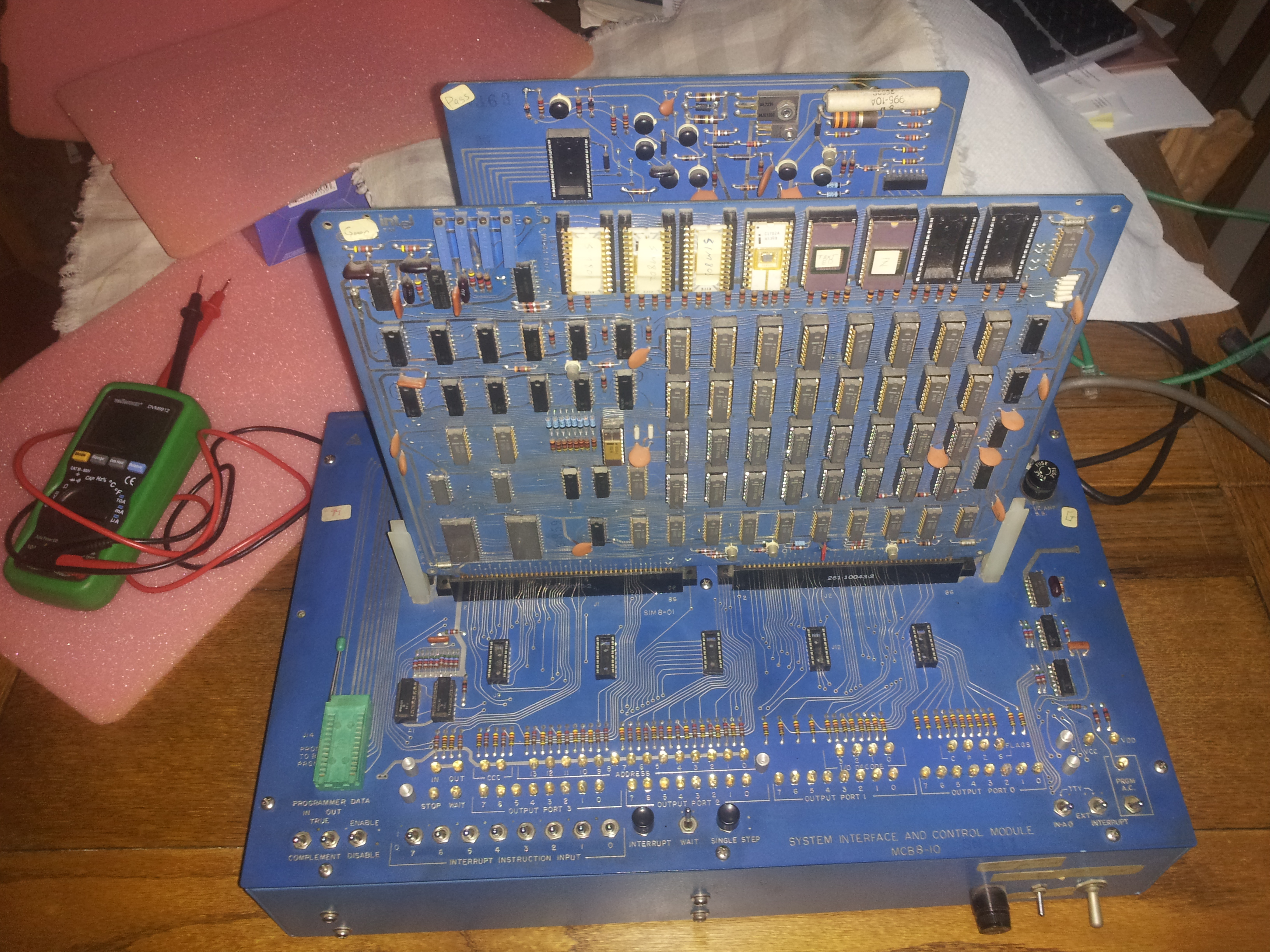
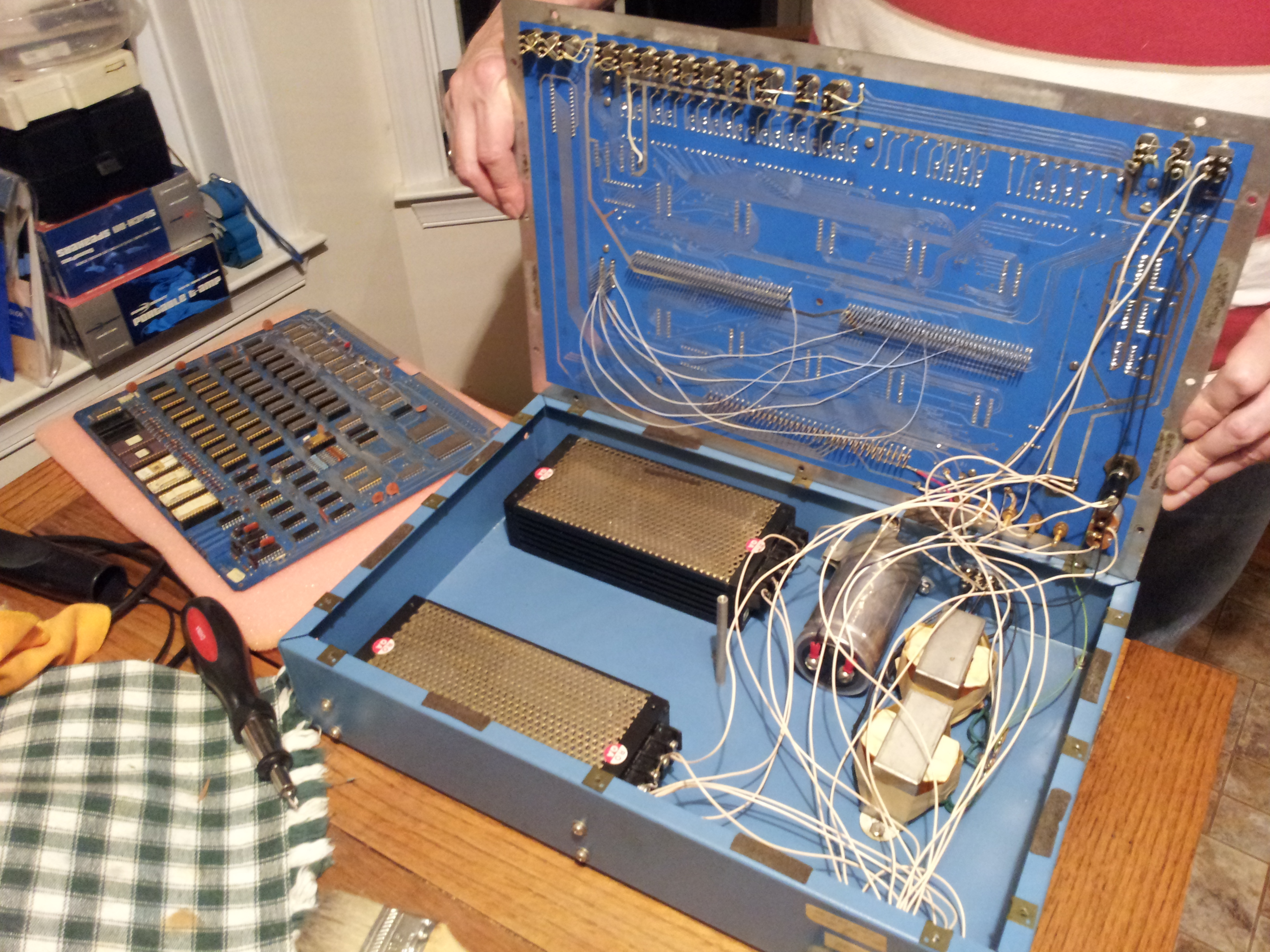
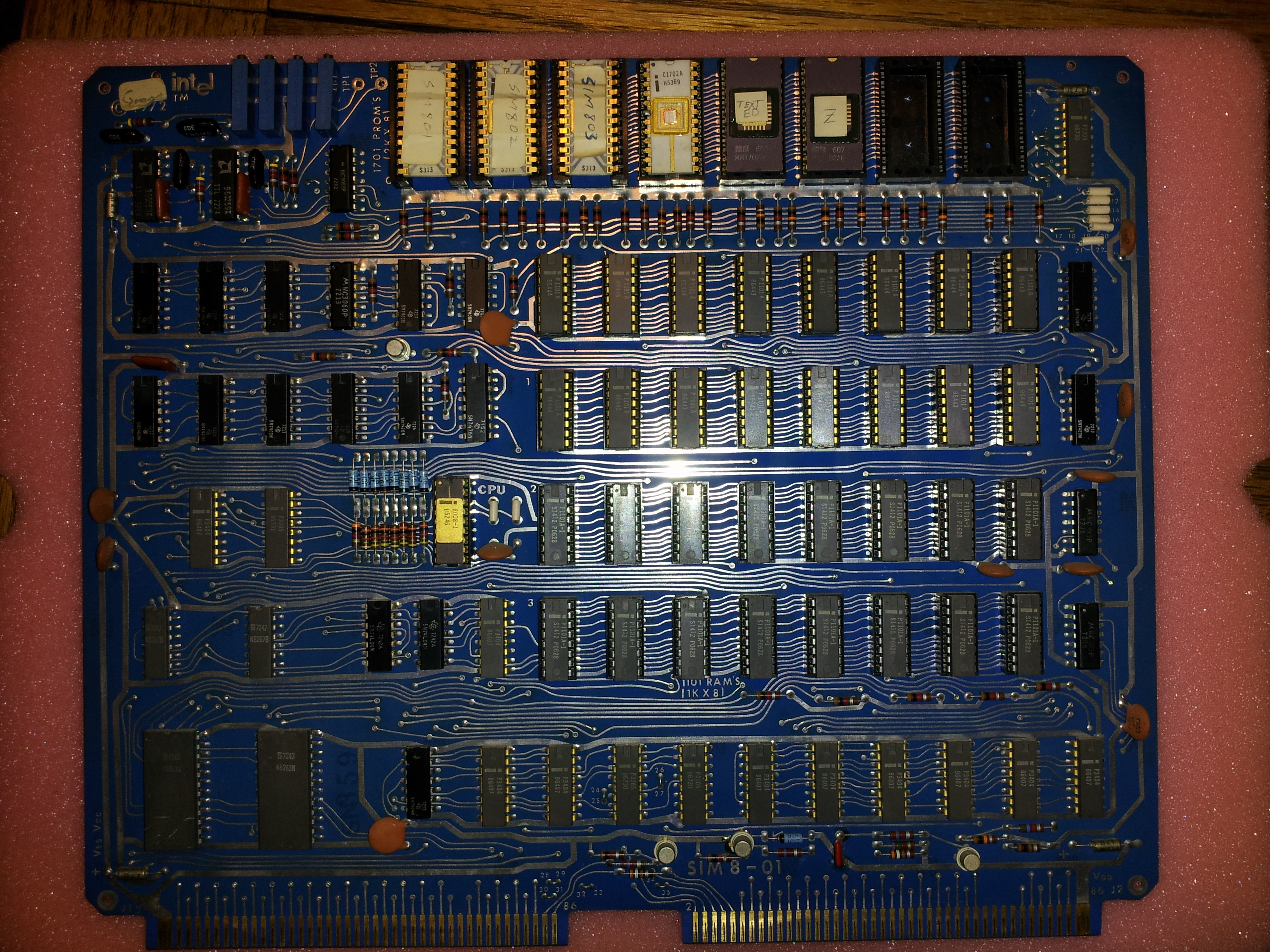
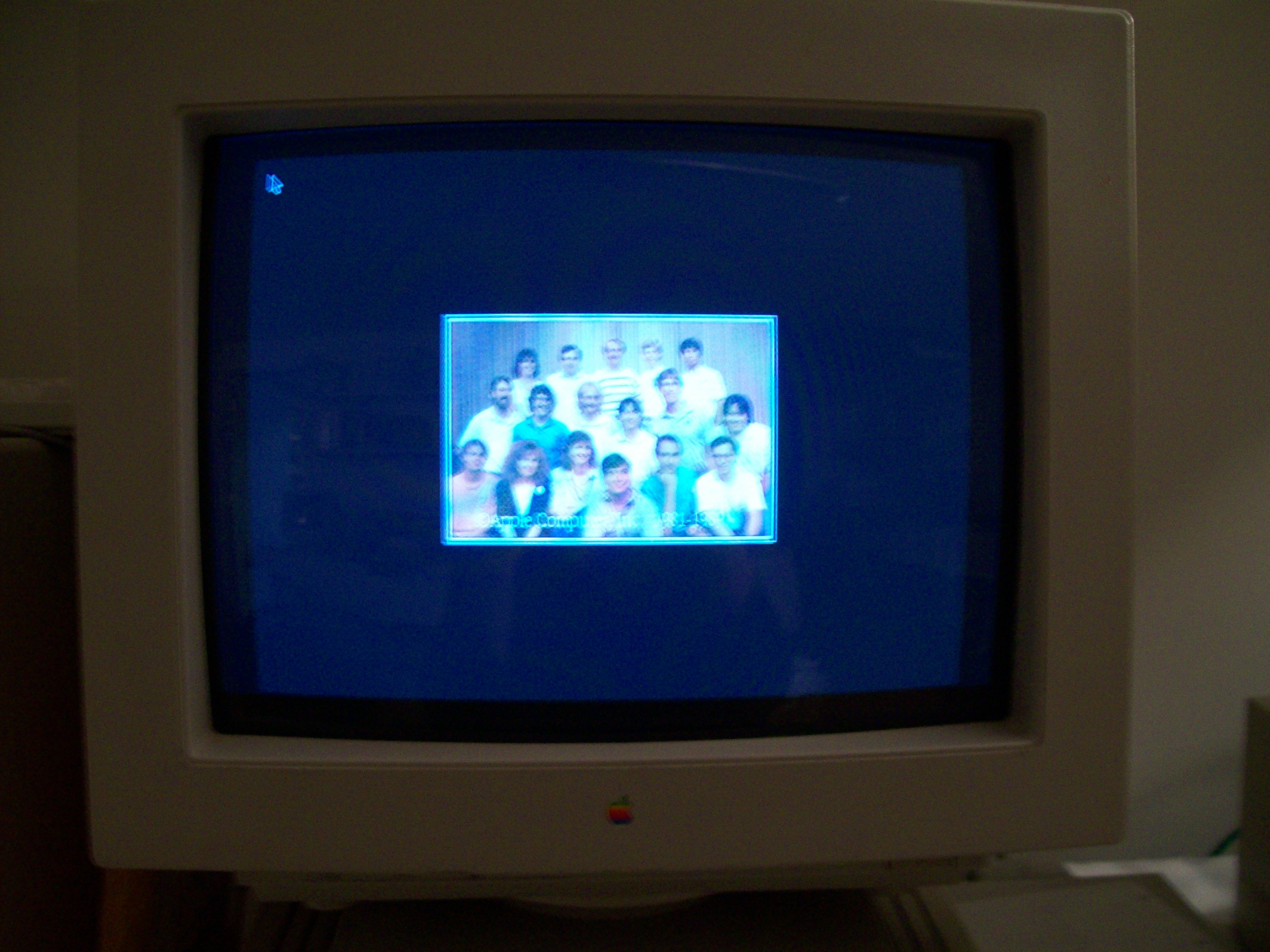
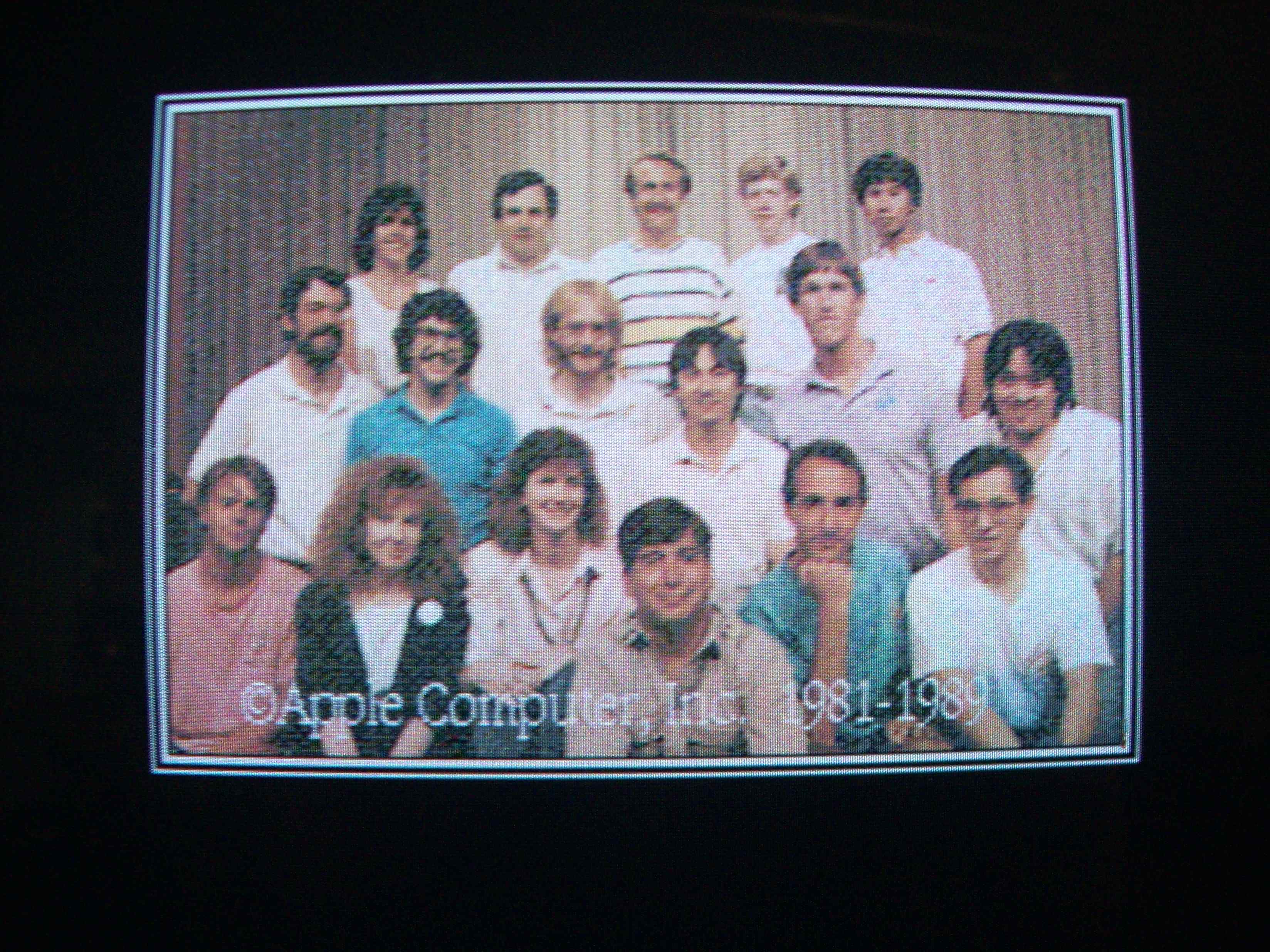
We recently received a donation from retired computer programmer Robert Kaunitz of Maryland, including manuals and a special IBM PC XT.
What’s so special about the XT? The computer’s hard drive contains a user interface program that Mr. Kaunitz developed called MARA (Machine Assistant Ready and Able). We look forward to trying it out as soon as some hardware repairs are complete — the hard drive controller is bad, Mr. Kaunitz told us.
Additionally, we’d like to thank Mr. Kaunitz for the following items:
Autonetics Recomp III Programming Manual and Fortran manual
CERN — the European physics laboratory perhaps best known for a 17-mile-long particle collider — has another claim to fame: it’s the birthplace of the World Wide Web. As we’ve written before, the first web server went online in 1989, but this week marked the 20th anniversary of what is perhaps an even more remarkable event.
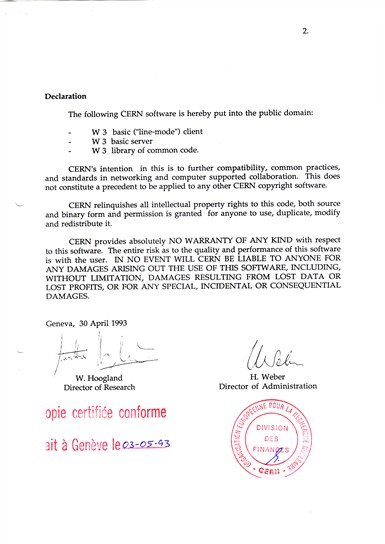
On April 30th, with the stroke of a pen, CERN’s directors released the World Wide Web software to the public domain. No complex licensing. No building a web server from scratch — you could use CERN’s code.
CERN is celebrating this anniversary by bringing the first web server, at info.cern.ch, back online in its original form. That’s exactly what we like to see at the Highland Historic Computer Museum — we want you to experience history, not just view dusty screenshots of how it used to look.
“The system must achieve a critical usefulness early on,” Tim Berners-Lee wrote in his original proposal. “Absolutely right!” his colleague Robert Cailliau wrote in the margin of his copy.
CERN’s historic decision to put the software in the public domain, without complex licensing restrictions, may have helped the web achieve that critical usefulness that, by 1992, lead Tim to abandon his list of web servers on the original site.
“Note: this page is here for historical interest only; the content hasn’t been updated since late 1992,” he wrote.
Pinball Dreams running on the Scripted AMIGA Emulator.
Looking for a spot-on emulation of Prince of Persia that you can play right from your web browser? Want to relive the 80s demoscene with a trippy Fairlight demo? Then the new Amiga emulator by Rupert Hausberger is not to be missed — but first, you may need to download Google Chrome.
This bleeding-edge project, dubbed the Scripted Amiga Emulator, uses pure HTML5 and Javascript to render everything, from sprites to music. (As such, it works best on Chrome. More information can be found in the readme.) A working demo, online at scriptedamigaemulator.net offers 16 games and even more demos.
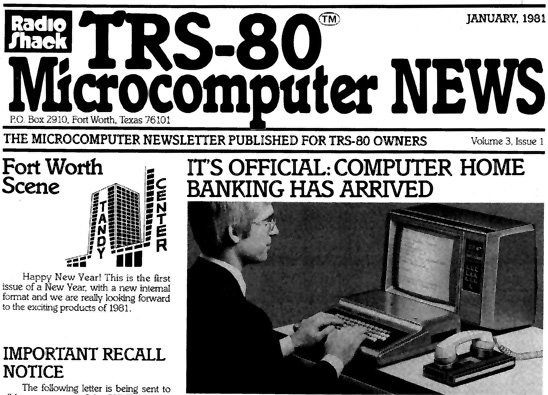
January 1981: Radio Shack introduces a home banking service in their official TRS-80 newsletter.
We dusted off our collection of Radio Shack’s TRS-80 Microcomputer News newsletter to bring you three newly-digitized issues. We’ve also reprocessed the existing PDFs to make them smaller (without a loss of quality) and — most importantly — searchable! That’s right, full-text searchable, right from your favorite PDF viewer.
More issues to come! Eventually, the newsletter was published as a color, glossy magazine, and, eventually, we’ll scan those issues too and post them online.
About an hour into the Opening Ceremonies of the Olympics on Friday, after a modern tribute to British love stories, a bit of scenery was hoist away, revealing the man behind the curtain of our Web-centered lives, Sir Tim Berners-Lee. Honored as the inventor of the World Wide Web, Sir Tim wrote the world’s first web browser and web server software, and established the HyperText Transport Protocol specification (the HTTP at the beginning of all web addresses).
Appearing with Sir Tim was a NeXT Cube, like the one that powered the world’s first web server in 1989. Although never a commercial success, NeXT computer systems were key to the swift development of the early web. The first web browser, WorldWideWeb, was also a WYSIWYG editor for creating web pages. It was “made in the space of a few months,” recalls Sir Tim’s associate Robert Cailliau, “thanks to the qualities of the NeXTStep software development system.” NeXT, a company founded by Steve Jobs during his time away from Apple, was eventually sold back to Apple and later versions of NeXTStep, called OpenStep, power Apple’s OS X.
With the press of a button, Sir Tim appeared to send a message, displayed in the stadium across 70,000 LED panels, and sent via Twitter:
Sir Tim concluded his appearance by waving to the crowd and giving the audience a standing ovation. We give him a standing ovation too, and will now retire to the museum to fire up a copy of WorldWideWeb on our very own NeXTstation.
Lifting the lid on a UMAX scanner that has stood the test of time
Write this post on a 16-year-old computer? Likely to be an exercise in frustration. In comparison, scanner technology seems to have aged well. In fact, I would argue that today’s scanners, crammed into multifuction devices as an afterthought, are inferior to the top-of-the-line technology of yesteryear.
This weekend, when we wanted to digitize some magazine advertisements for computer systems from the ’70s, we brought a UMAX-brand flatbed scanner from 1996 out of the closet and pressed it into service. The SCSI interface delivered fast performance and 300-dpi scans in minutes on a Macintosh running System 9. (The resolution of the scanner can go much higher, but it wasn’t worth the wait.)
A much more modern Brother multifunction (print, copy, fax, scan) device running over USB on a OS X Macintosh proved to slow, balky and error-prone in comparison. Worse yet, it didn’t scan full 8.5×11 pages — the width it could image came up a full half-inch short.
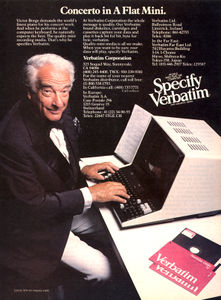
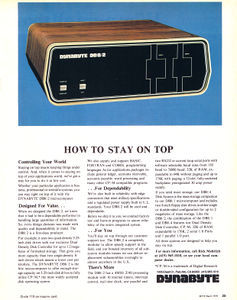
Ah, but I’m forgetting the most important thing! The cool old ads. Here’s a preview, one well-known personality and a name brand, and one mystery microcomputer from “Dynabyte.” You can see the whole lot on our main site.
Borge for Verbatim, from BYTE magazine, November 1979
The DYNABYTE DB8/2 microcomputer, from BYTE magazine, March 1979
There’s a video posted to YouTube that shows off the way-ahead-of-its-time Xerox Star workstation (officially the 8010 Information System). An uncredited speaker introduces the clip (a quick Google search tells me it’s likely part of a Stanford class on computer-human interaction— that you can take online, for free!)
“In 1981 Xerox introduced the Star office information system. The radical user interface of Star had a major impact on the office system and personal computer industry. Star introduced the use of icons to represent objects and applications, the desktop metaphor with a direct manipulation interface, windows containing multimedia documents, property and option sheets, and generic commands. In some ways, such as its use of the move, copy, and delete functions, Star remains unsurpassed in the consistancy of its interface. Other features such as multimedia, multi-lingual documents have only recently appeared in other systems.
The following video tape was made in 1982 by two Star designers: David Canfield Smith and Charles Irby. It illustrates some of the innovations in computer-human interfaces embodied in the Xerox Star.”
Ran across a couple of very neat stories on the web recently. First up is a both nostaglic and informative article on the Mac Plus, an early compact Mac.